

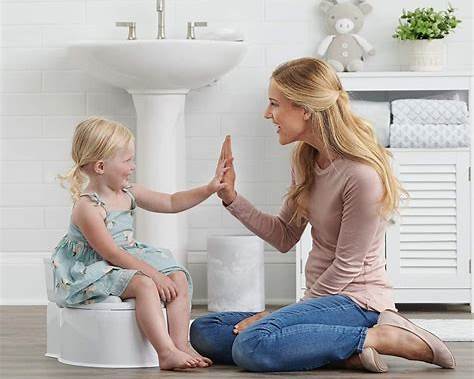
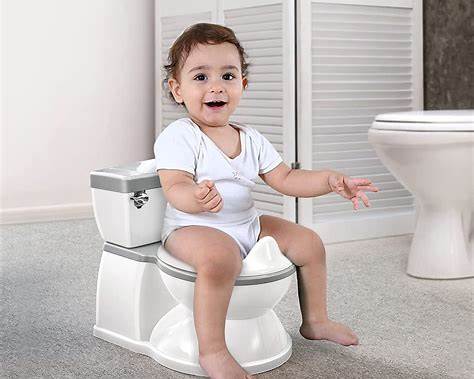
Potty training is a major milestone in early childhood, and every child approaches it differently. A calm, consistent routine helps build confidence and makes the process smoother for everyone.
This guide offers simple potty-training strategies for all children, along with additional tips that support autistic learners or children who benefit from extra structure.
1. Signs Your Child May Be Ready
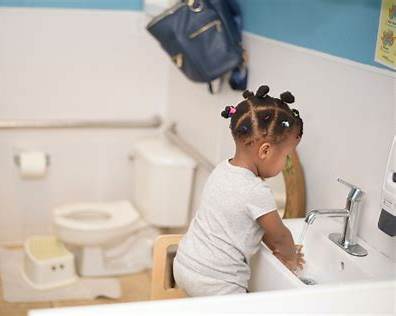
Look for indicators such as:
- Staying dry for longer periods
- Showing interest in the toilet
- Asking to be changed
- Predictable bowel movements
If your child isn’t showing readiness yet, that’s perfectly okay, waiting for the right time which often leads to better success.
2. Simple Potty Training Tips for All Kids


✔ Establish a Routine
Offer regular potty breaks: after waking, before naps, after meals.
✔ Use Clear, Simple Language
Short cues like “Potty time” help children understand what to do.
✔ Celebrate Progress
Smiles, high-fives, or stickers help motivate and build confidence.
✔ Expect and Normalize Accidents
They’re part of the learning process. Stay positive and continue the routine.
3. Extra Support for Autistic Children
Use Visual Supports
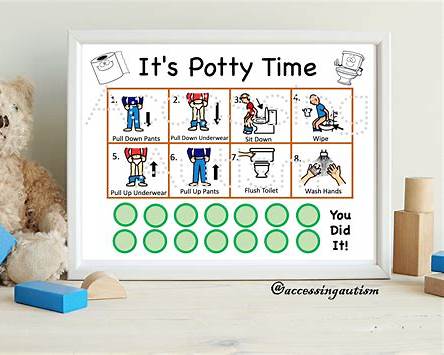
Visual schedules provide step-by-step instructions that help reduce uncertainty and support independence.
Create a Sensory-Friendly Bathroom
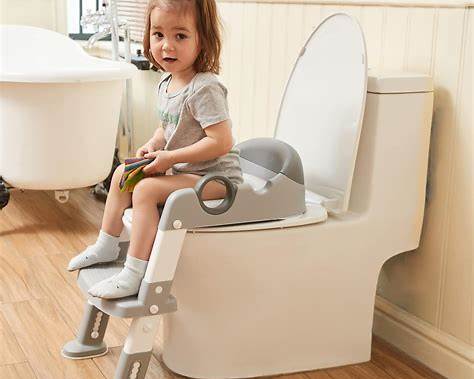

Some children experience sensory discomfort in bathrooms. Helpful adjustments include:
- Using a cushioned seat or small potty insert
- Lowering bright lighting
- Allowing the child to flush after leaving
- Providing a footstool for stability
Try Predictable Timing
Timers or consistent bathroom breaks help children who may not recognize internal body cues yet.
Support Communication Needs
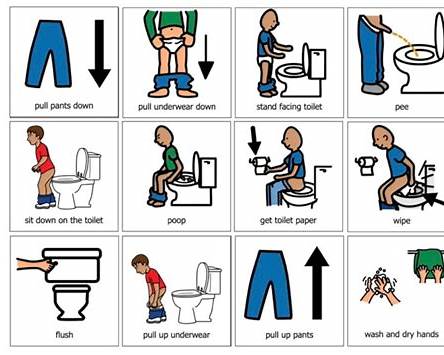
Offer alternatives like a toilet picture card, a gesture, or an AAC button so the child can request a bathroom break.
⭐ What an AAC Button Is
An AAC button is a small device (often handheld or placed on a wall/table) that plays a recorded message when the child presses it.
For example, a button may say:
- “I need the bathroom.”
- “Potty time.”
- “Help, please.”
These buttons are often brightly colored and easy to press, making them helpful for toddlers or children with communication delays.
⭐ How It Helps in Potty Training
An AAC button allows a child to tell you they need the potty,
even if they do not use verbal speech consistently.
It supports:
- Autistic children
- Children with delayed speech
4. Encouragement for Parents
Every child’s potty-training journey is unique. Progress may come slowly or quickly, but with patience, consistency, and lots of encouragement, children learn at their own pace.
✨ Celebrate small victories.
✨ Model calm confidence.
✨ Remember—your child will get there.
Please follow us on:


Leave a reply to E.B Cancel reply