
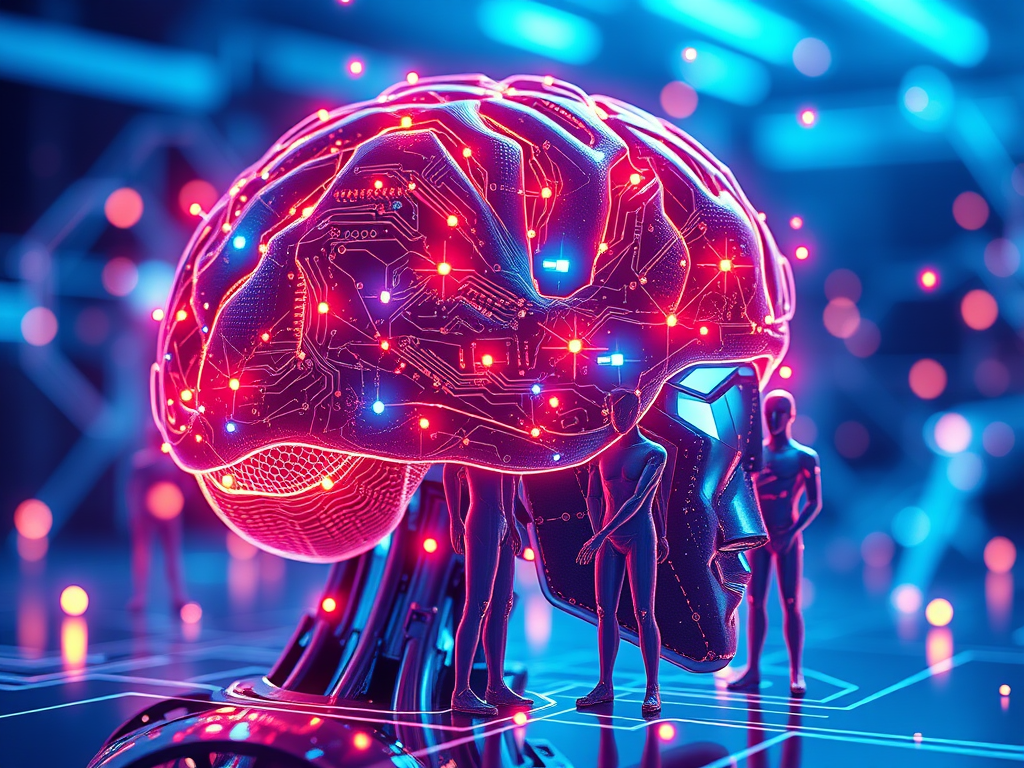
1. The Reality: AI Is Changing Work Not Ending It
- AI will not replace people, it will replace tasks
- Jobs that rely on repetitive, predictable work are most at risk
- People who know how to work with AI will be in higher demand
- History shows technology creates new roles while removing old ones
The biggest risk in the next 2–5 years isn’t AI — it’s ignoring AI.
2. What AI Is Likely to Do to the Job Market (Next 2–5 Years)
Jobs Most at Risk
- Data entry & basic admin work
- Customer support (basic queries)
- Simple content writing
- Routine bookkeeping
- Basic graphic design templates
Jobs That Will Grow or Transform
- AI-assisted content creators
- Digital marketers who use AI tools
- Data analysts & AI interpreters
- Software & prompt engineers
- Financial analysts using AI tools
- Educators who teach with AI
3. The Skill Shift: What Will Matter More Than Ever
Hard Skills (AI-Resistant)
- Critical thinking
- Data literacy
- Digital marketing
- Coding & automation basics
- Financial analysis
- Product & project management
AI-resistant skills, we do not mean skills that AI can’t touch at all. We mean skills that are hard to be fully replaced by AI because they require human judgment, context, creativity, and decision-making
Soft Skills (VERY Important)
- Problem-solving
- Creativity
- Emotional intelligence
- Communication
- Adaptability
AI can generate answers, but humans decide what matters.
4. How to Improve Your Skill Set Using AI (Practical & Actionable)
a. Use AI as a Personal Tutor
- Learn new skills faster with AI explanations
- Ask AI to simplify complex topics
- Create personalized learning plans
Example tools
- ChatGPT
- Claude
- Perplexity
b. Upskill Faster With AI Tools
Instead of learning everything, learn how to use AI in your field.
Examples
- Canva AI → design & branding
- Notion AI → productivity & planning
- Excel + AI → financial analysis
- GitHub Copilot → coding
- Grammarly → communication skills
c. Build AI-Assisted Side Hustles
- Content creation
- Freelancing
- Digital products
- Virtual assistance
- Online teaching
- Data analysis & reporting
AI reduces time → increases output → improves income potential.
d. Learn Prompting & AI Literacy
Prompting is the new digital literacy.
- How to ask better questions
- How to review AI outputs critically
- How to combine AI with human judgment
5. Skills That Will Be Most Valuable in 2–5 Years
- AI tool usage (not AI building)
- Data interpretation
- Digital marketing
- Financial literacy
- Creativity + strategy
- Tech adaptability
- Lifelong learning mindset
AI won’t take your job.
Someone who knows how to use AI will.
The goal is not to compete with AI.
the goal is to become AI-enabled.
1. The Reality: AI Is Changing Work Not Ending It
- AI will not replace people, it will replace tasks
- Jobs that rely on repetitive, predictable work are most at risk
- People who know how to work with AI will be in higher demand
- History shows technology creates new roles while removing old ones
The biggest risk in the next 2–5 years isn’t AI — it’s ignoring AI.
2. What AI Is Likely to Do to the Job Market (Next 2–5 Years)
Jobs Most at Risk
- Data entry & basic admin work
- Customer support (basic queries)
- Simple content writing
- Routine bookkeeping
- Basic graphic design templates
Jobs That Will Grow or Transform
- AI-assisted content creators
- Digital marketers who use AI tools
- Data analysts & AI interpreters
- Product managers
- Software & prompt engineers
- Financial analysts using AI tools
- Educators who teach with AI
3. The Skill Shift: What Will Matter More Than Ever
Hard Skills (AI-Resistant)
- Critical thinking
- Data literacy
- Digital marketing
- Coding & automation basics
- Financial analysis
- Product & project management
AI-resistant skills, we do not mean skills that AI can’t touch at all. We mean skills that are hard to be fully replaced by AI because they require human judgment, context, creativity, and decision-making
Soft Skills (VERY Important)
- Problem-solving
- Creativity
- Emotional intelligence
- Communication
- Adaptability
AI can generate answers, but humans decide what matters.
4. How to Improve Your Skill Set Using AI (Practical & Actionable)
a. Use AI as a Personal Tutor
- Learn new skills faster with AI explanations
- Ask AI to simplify complex topics
- Create personalized learning plans
Example tools
- ChatGPT
- Claude
- Perplexity
b. Upskill Faster With AI Tools
Instead of learning everything, learn how to use AI in your field.
Examples
- Canva AI → design & branding
- Notion AI → productivity & planning
- Excel + AI → financial analysis
- GitHub Copilot → coding
- Grammarly → communication skills
c. Build AI-Assisted Side Hustles
- Content creation
- Freelancing
- Digital products
- Virtual assistance
- Online teaching
- Data analysis & reporting
AI reduces time → increases output → improves income potential.
d. Learn Prompting & AI Literacy
Prompting is the new digital literacy.
- How to ask better questions
- How to review AI outputs critically
- How to combine AI with human judgment
5. Skills That Will Be Most Valuable in 2–5 Years
- AI tool usage (not AI building)
- Data interpretation
- Digital marketing
- Financial literacy
- Creativity + strategy
- Tech adaptability
- Lifelong learning mindset
AI won’t take your job.
Someone who knows how to use AI will.
The goal is not to compete with AI.
the goal is to become AI-enabled.
Follow EduFinanceHub for information about education and finance.
Please follow us on our social media handle for more tips:

Leave a comment